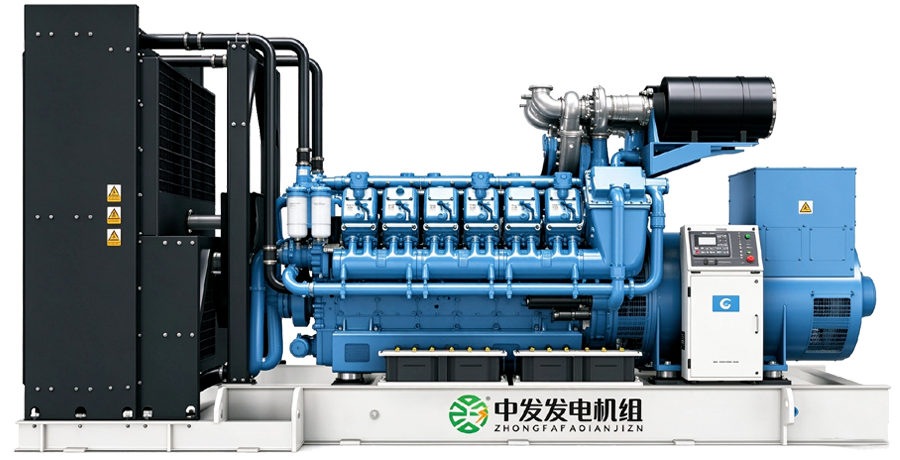

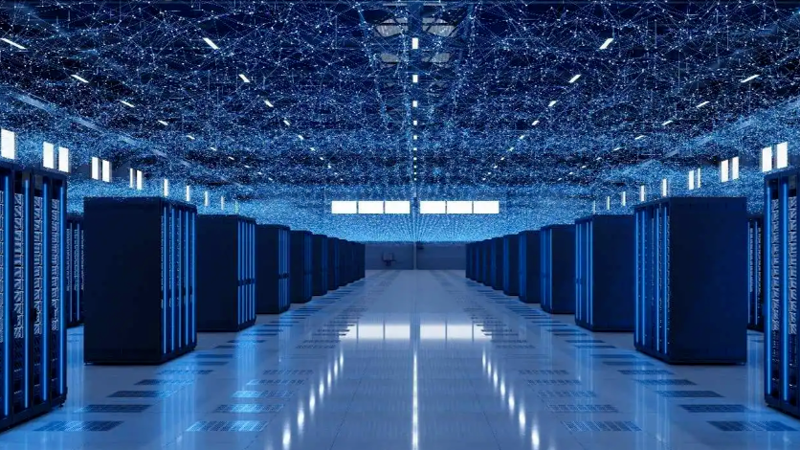
Driven by the rapid advancement of artificial intelligence (AI), the tender market for diesel generator sets is witnessing rising demand and climbing prices. Multiple driving factors and technical logic underpin this trend. The following analysis is conducted from three dimensions: industrial demand, technical relevance and policy environment.
I. Surging Power Demand amid the AI Boom
Explosive energy consumption of data centersAI training relies on large-scale computing clusters. For example, GPT-4 training consumes 12,000 kWh per hour. Data centers worldwide account for 1–2% of global electricity consumption with an annual growth rate exceeding 5%. Highly reliable standby power systems are mandatory to guarantee uninterrupted power supply.
Edge distribution trend of computing powerEdge computing nodes (scenarios such as autonomous driving and smart manufacturing) impose stricter requirements on power supply stability. As emergency power sources, diesel generator sets stand out with fast response speed (millisecond-level start-up) and flexible deployment.
II. Irreplaceability of Diesel Generator Sets
Techno-economic advantagesCompared with alternatives including fuel cells and energy storage systems, diesel generator sets remain competitive in terms of upfront capital cost (30–50% lower), maintenance convenience and fuel accessibility. They are especially suitable for remote areas or temporary computing power centers.
Breakthrough in power densityAdopting high-pressure common rail injection technology and optimized turbocharging, new-generation diesel generator sets achieve a 20% higher power density. Single-unit capacity can exceed 3 MW, matching the requirements of AI supercomputing centers.
III. Core Drivers of Market Price Hikes
Supply chain pressures: Price volatility of bulk commodities such as copper and steel directly affects genset costs. Industrial chips for genset control systems are impacted by the global semiconductor shortage.
Environmental compliance costs: Upgraded emission standards including EU Stage V and China’s emission regulations force manufacturers to add aftertreatment systems such as DPF diesel particulate filters, lifting unit costs by 8–12%.
Accelerated domestic substitution: Leading enterprises such as Huawei and Alibaba promote supply chain localization for critical infrastructure. Through technological iteration, local brands (Weichai, Yuchai) narrow the gap with Caterpillar and Cummins. Domestic substitution creates premium potential.
IV. Future Market Evolution Trends
Technology convergenceHybrid energy systems: Microgrid solutions combining diesel units, energy storage and photovoltaic power can cut carbon emissions by more than 30%.
Digital operation & maintenance: AI algorithms predict unit failures (e.g., Cummins Digital Power solutions) to reduce losses caused by unplanned downtime.
Impacts of policy orientationCarbon neutrality drives technological upgrading: Hydrogen-fueled internal combustion engines and ammonia co-firing technologies may serve as transitional solutions.
Wartime energy security: Geopolitical conflicts prompt countries to re-evaluate the strategic reserve value of diesel generator sets.
The diesel genset market amid the AI boom essentially represents an in-depth collision between traditional manufacturing and the digital economy. In the short term, rigid demand growth coupled with supply chain constraints pushes up prices. In the long run, energy transition pressure will force the industry toward greener and smarter upgrades. For tenderers, grasping technology iteration cycles and policy windows and balancing short-term needs against long-term risks will form the core decision-making logic.