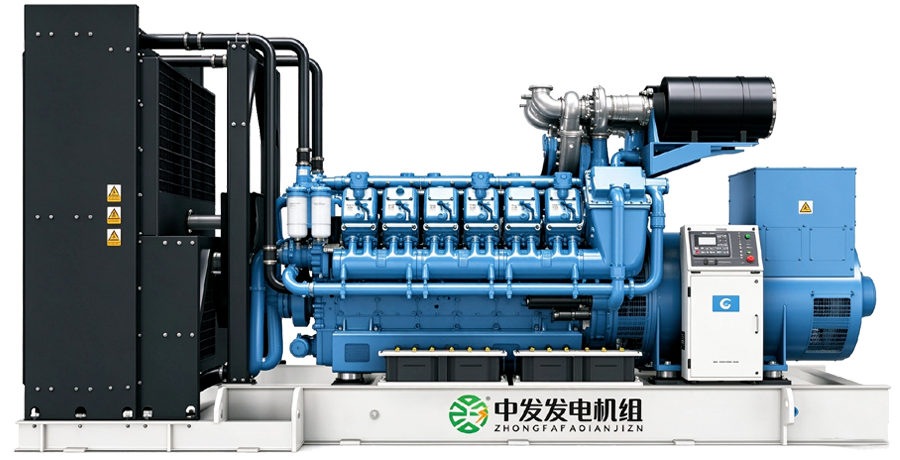

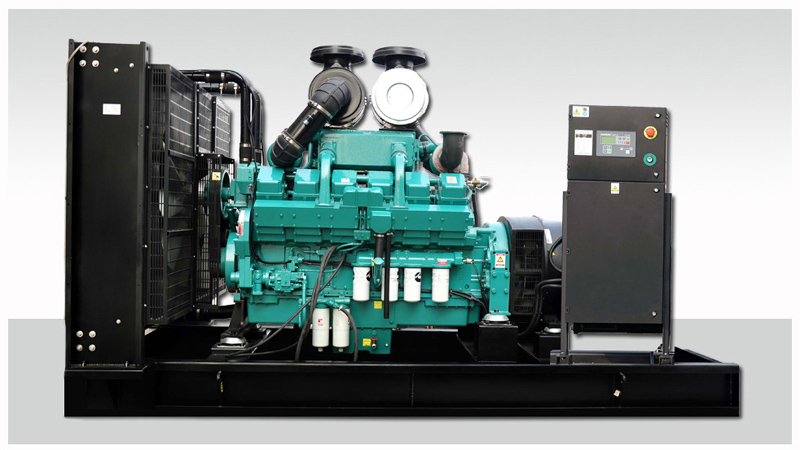
In the application field of generator sets, performance and cost have always been the focus of attention for enterprises and end users. Nevertheless, generator sets that look identical on the market deliver vastly different actual operating results. As the core component of generator sets, copper-wound motors exert a particularly remarkable impact on overall performance due to material variations. Statistics show that motors made of different materials may have an efficiency difference of 15%, while the service life gap can be as large as three times. What technical secrets lie behind this? How can buyers make sensible selections according to practical requirements? The main differences of motors in seemingly identical generator sets are reflected in the following aspects:
1. Differences in Material Purity and Performance
All-copper Motor: The windings are fully made of pure copper wire with excellent electrical conductivity (approximately 99% conductivity). It features low resistance and low electric power loss for more efficient power transmission. With superior corrosion resistance and wear resistance, it is suitable for long-term heavy-load operation.
Semi-copper Motor: Part of the windings use copper wire, while the rest may adopt aluminum or other materials. Although the cost is reduced, conductivity and heat dissipation degrade. Higher resistance generates more heat, which may compromise motor service life and stability.
Copper-clad Aluminum Motor: It resembles a copper motor in appearance but has an aluminum core coated with a copper layer. Its conductivity falls between pure copper and pure aluminum. After long-time operation, mismatched thermal expansion coefficients tend to cause poor contact and low reliability.
2. Durability and Service Life
All-copper Motor: Copper boasts stronger anti-oxidation and anti-corrosion properties. Firmly welded joints resist damage from high temperature or ambient factors. Its service life is generally 2 to 3 times longer than that of aluminum motors.
Semi-copper / Copper-clad Aluminum Motor: Aluminum sections oxidize easily and welding joints tend to loosen, especially under high temperature or frequent start-stop conditions, resulting in greatly shortened service life. For instance, the overall service life of pumps with aluminum-wound motors may be less than half that of copper-wound versions.
3. Efficiency and Energy Consumption
All-copper Motor: Low resistance enables smooth current flow and minimal heat waste, delivering outstanding energy-saving performance. At the same power rating, copper-wound motors consume 10%–15% less electricity than aluminum-wound motors.
Semi-copper / Copper-clad Aluminum Motor: Higher resistance produces excessive heat; part of electric energy is wasted as thermal energy, lowering efficiency and raising long-term operating costs.
4. Heat Dissipation Performance
All-copper Motor: Although copper’s thermal conductivity is slightly lower than aluminum, tightly structured pure copper windings achieve uniform heat dissipation. Combined with a well-designed air duct, heat can be discharged rapidly.
Semi-copper Motor: Aluminum conducts heat fast, yet gaps may form at copper-aluminum joints due to different thermal expansion coefficients, undermining overall heat dissipation efficiency.
Copper-clad Aluminum Motor: The aluminum core transfers heat quickly, but the outer copper layer may hinder heat transfer and lead to local overheating.
5. Power Density and Size
All-copper Motor: For the same physical volume, copper’s high conductivity allows smaller wire cross-sections, which either shrinks the motor size or boosts power output. For example, a copper-core motor can deliver higher power within the same volume, ideal for space-constrained locations.
Semi-copper Motor: To compensate for insufficient conductivity, larger wire cross-sections or bigger dimensions are required, making the motor bulky with reduced power density.
6. Noise and Vibration
All-copper Motor: Runs more smoothly with low noise. Aluminum-wound motors produce more than 7 decibels higher noise than copper-wound motors, with noise energy more than doubled, impairing user experience.
Semi-copper / Copper-clad Aluminum Motor: Uneven materials or poor contact may induce extra vibration and noise.
7. Cost and Cost Performance
All-copper Motor: Higher upfront cost, but prominent advantages in energy saving and durability over the service lifecycle, leading to lower total life-cycle cost.
Semi-copper / Copper-clad Aluminum Motor: Lower purchase price, suitable for projects with limited budgets or short-term usage. However, later maintenance and replacement costs need to be weighed.
8. Application Scenario Adaptability
All-copper Motor: Applicable for heavy-load and continuous-operation scenarios, such as industrial generator sets and backup power supplies for data centers, where reliability and efficiency requirements are extremely high.
Semi-copper Motor: Can be used for light-load and intermittent operation scenarios, such as small household generators and portable equipment.
Copper-clad Aluminum Motor: Select with caution. Avoid deployment under high-temperature or vibrating environments to prevent failures caused by poor contact.
9. Maintenance and Reliability
All-copper Motor: Simple maintenance, low failure rate and high stability during long continuous operation.
Semi-copper / Copper-clad Aluminum Motor: Welding joints and contact status need regular inspection, resulting in higher maintenance costs.
10. Market and Certification Differences
All-copper Motor: Reputable manufacturers usually clearly mark “All-copper Brushless Motor”. Products comply with international standards and hold complete certifications.
Semi-copper / Copper-clad Aluminum Motor: Some manufacturers use vague material labeling. Identification can be done by weighing, disassembly or professional testing. For example, copper motors weigh noticeably more than aluminum motors. After disassembly, copper wire shows bright copper color while aluminum wire appears dark reddish.